

Dental Marketing case study

10 studios became 23. Revenue nearly doubled. Year-over-year growth held at roughly 25% for four consecutive years.
Six ad channels. HIPAA-compliant tracking. More creative testing than most agencies would attempt. And a marketing manager who says she can’t imagine working with anyone else.
Here’s how it happened.
About Swish Dental
Swish Dental reimagined what going to the dentist could feel like – modern, conveniently located studios instead of clinical offices, a friendly team, and comfort-first amenities like blankets, eye masks, and Netflix during your visit. No judgment, no lectures.
The result is over 100,000 patients treated and over 15,000 five-star reviews.
Swish had built something patients genuinely loved. They needed a marketing partner who could put it in front of the right people. Growdent came on when Swish Dental had 10 studios in Austin. Since then, we’ve helped them expand into Houston and San Antonio, growing to 23 locations across three cities.
The first six months
Over the first six months, Google Ads bookings increased 54%. Facebook ads shifted from awareness to conversion-oriented, with an average CPA 32% lower than Google. New patients increased 64% month over month, and average monthly revenue jumped 49%.
"Within the first six months, we saw real growth - more patients, more appointments, and a clear lift in revenue. That early momentum gave us confidence right away."

Swish Dental
What mattered in those first six months was that the growth didn’t require a complicated channel mix.
We didn’t start by putting Swish everywhere. We started with the fundamentals: understanding which patients they wanted to attract, improving how Google and Meta were being used, fixing measurement, testing what actually made people book, and putting more budget behind what worked.
The additional channels came later, as Swish grew and the economics justified them. For a single-location practice, that same process might stop at Google and Meta. The principle is the same: get the core acquisition system working before adding complexity.
That early momentum set the tone for everything that followed, but sustaining it meant solving a different set of problems as Swish grew.
The challenge
When we started, Swish had 10 studios concentrated in Austin. The goal was to expand into new metros, open new locations, and keep growing year on year. Three things made that harder than it sounds.
Knowing what was actually producing patients. Reliable tracking is essential if you want to know which campaigns are driving appointments and where to put more budget. In dentistry, that tracking also has to be handled carefully from a HIPAA perspective. We helped Swish build a compliant measurement setup so we could make better decisions without putting patient data at risk.
Allocating budget where it could actually produce growth. As Swish expanded, that became increasingly complex. Different locations, services and markets performed differently, so treating everything as one account would have wasted budget.
Reaching patients who aren’t looking for a dentist. A huge part of Swish’s (or any dentist’s) patient base isn’t Googling “dentist near me.” They’ve been putting off the dentist for months or years – dental anxiety, busy schedules, or just falling out of the habit. You can’t capture demand that doesn’t exist yet, so we had to create it, which required different channels and completely different creative.
We started by figuring out what actually makes people book.
Growing beyond Google and Meta
Swish runs six advertising channels today, but they didn’t start there.
We started with the channels most likely to generate patients efficiently and expanded only after they were working. As Swish grew, additional channels gave us ways to reach new audiences and capture incremental demand.
For a smaller practices or dental groups, the right strategy may still be concentrated primarily on Google and Meta. Adding more platforms is not the goal. Producing more new patients is.
Meta Ads
Google Ads
Bing Ads
TikTok Ads
Disney Ads
CTV Ads
The expansion from Google and Facebook into Bing, TikTok, Disney Ads, and Connected TV wasn’t about chasing trends. Each channel was tested, proven, and then scaled.
"With them, we've expanded beyond Google and Meta ads into channels like Bing, TikTok, Disney ads, and Connected TV. They're constantly improving what works, so we're not guessing or wasting money."
Swish Dental
But channels alone don’t drive results. What runs on them does.
Running a smaller practice or dental group?
Creative strategy: test more, learn faster
Most dental marketing runs on a handful of ads with little planning, oversight or optimization. We take a different approach – we create genuinely different creative concepts, test them, double down on what works, and cut the rest fast.
For Swish, that means new ads going live every week across six channels: different angles, different formats, different reasons someone might finally book.
And recent changes to how Meta delivers ads have made this approach even more important.
Meta’s Andromeda algorithm, fully deployed in late 2025, changed how ads get delivered. The old system evaluated a few hundred ad candidates and relied on advertisers to define the audience. Andromeda is fundamentally different – it processes far more creative data and decides who sees what based on the creative itself. It reads your visuals, copy, pacing, and emotional tone to find the right users on its own.
The practical impact is that creative diversity is now the primary performance lever on Meta. Minor copy tweaks and background swaps no longer count as “new” because the system recognizes near-duplicates and clusters them together. You need genuinely distinct concepts, formats, and angles.
High-volume creative testing has always been core to how we work. Andromeda gave us reason to push it even further – more distinct concepts, more formats, faster testing cycles. And so far, it’s working. The accounts producing the most genuinely different creative are seeing the strongest performance under the new algorithm.
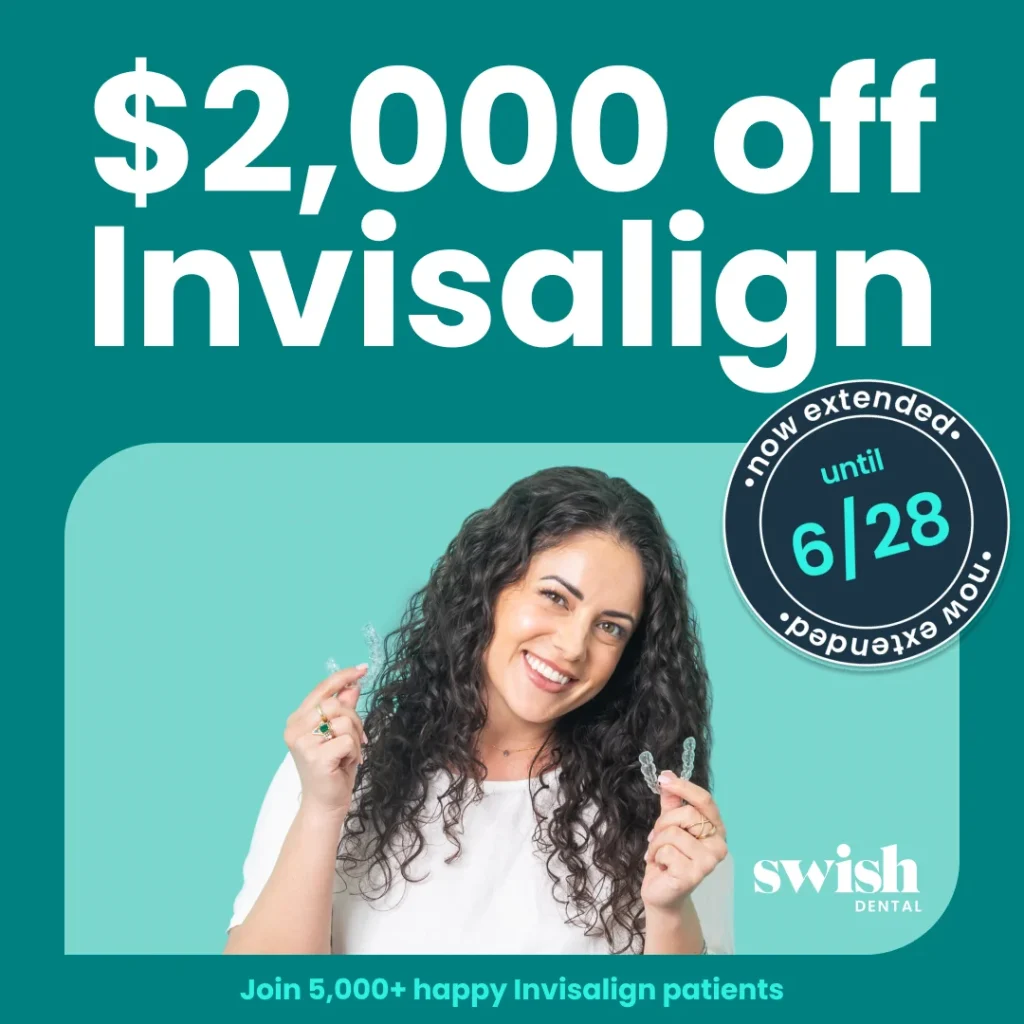
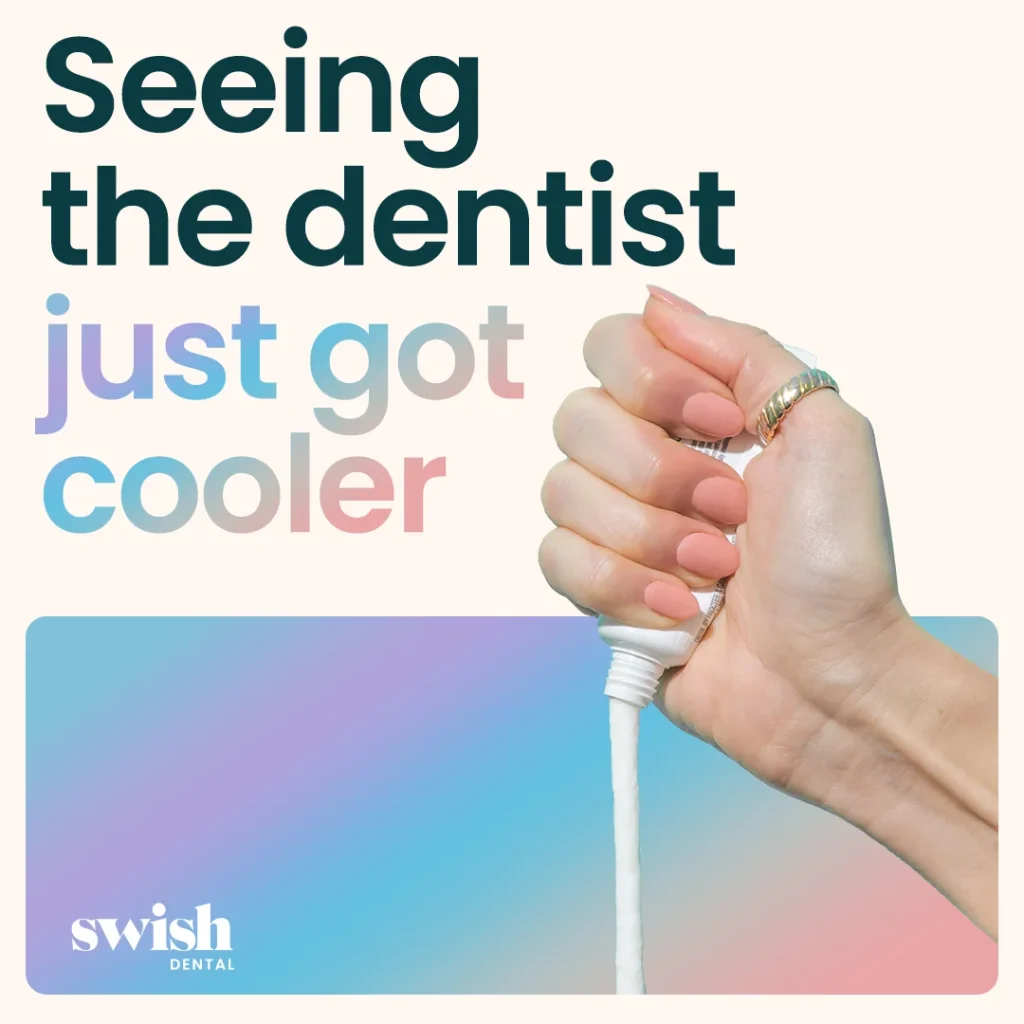
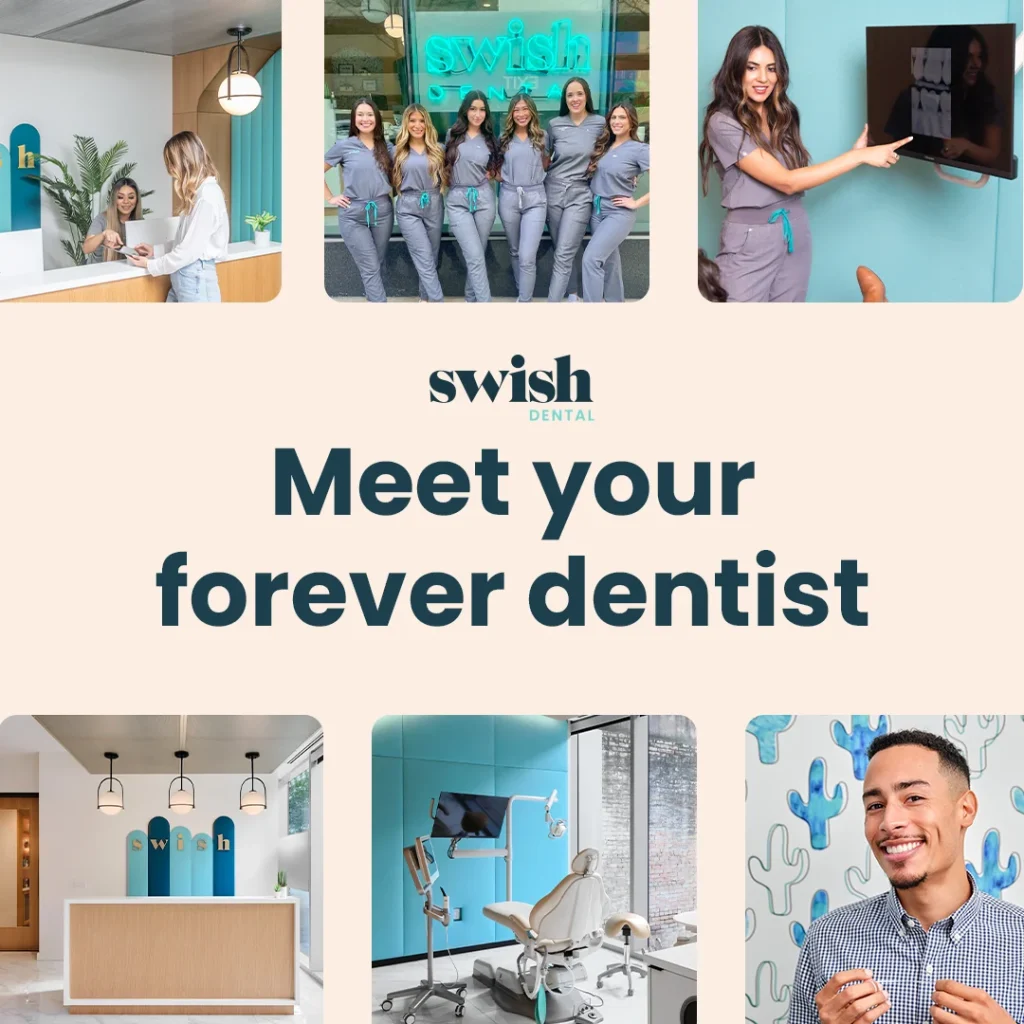
Some of the creatives we tested in the process 👇
All of the above – the channels, the creative volume, the compliance work – adds up. Here’s what it looks like in numbers.
Results
First 6 months
- 54% increase in Google Ads bookings
- 32% lower CPA on Facebook vs. Google
- 64% increase in new patients MoM
- 49% increase in average monthly revenue
Over the full 4+ year partnership:
- 10 to 23 studios
- ~25% year-over-year revenue growth, maintained consistently
- Revenue nearly doubled overall
- 6 active ad channels, up from 2
- HIPAA-compliant tracking across everything
HIPAA deserves its own section.
HIPAA compliance
This is something most dental practices don’t think about until it’s a problem.
Most marketing agencies run standard Meta Pixels and Google Tags without considering that patient data – appointment bookings, form submissions, even page visits for specific treatments – can constitute protected health information under HIPAA. Violations can carry substantial civil penalties, with the highest tier reaching seven figures.
Before we started, Swish didn’t have any insight into tracking. We worked with their developers to properly install the necessary pixels and set up HIPAA-compliant tracking with granular measurement of each channel’s impact on appointments – decreasing wasted spend and increasing overall volume.
"Because we're a HIPAA-compliant healthcare business, all of this comes with added complexity. Growdent helped pioneer HIPAA-compliant tracking so we can clearly understand performance without risk."
Swish Dental
Compliance is one area where we’ve been ahead of the curve. AI is another.
Where AI helps
Swish’s size gives us room to test emerging tools across creative production, reporting and performance monitoring. We do not use technology because it is new. We use it where it can reduce production costs, surface issues faster or help us test more ideas.
This currently includes:
- AI-assisted video and image production for ad creative
- AI-supported reporting and performance analysis
- automated alerts when performance changes
- AI-assisted copy and creative development
- testing new platform features such as AI-powered targeting and campaign types
And it benefits smaller practices too. A practice does not need Swish’s creative budget to test multiple messages or produce useful ad variations. These tools can help us create and test more efficiently without requiring a full photo or video shoot every time.
Whatever tools we use, the principle stays the same: every output is reviewed by a human, and performance, not novelty, determines whether we keep using it.
The partnership
Growth is one thing. Sustaining it over four years without burning out the relationship is another.
"Now, more than four years later, I truly can't imagine working with anyone else. Communication is fast, they're proactive, and it genuinely feels like we're working as one team. Growdent has taken a lot off our plate when it comes to marketing."
Swish Dental
We handle strategy, execution, creative testing, channel expansion, tracking, compliance, and optimization. Swish’s team focuses on what they’re best at – dentistry and their patients. As Brittany puts it, they don’t have to manage or worry about marketing day to day. It’s a true partnership, and one that both sides are excited to continue.
Note: Swish has an internal team we collaborate with, but not every practice does. In those cases, we take on more of that responsibility directly so the dentist or practice manager does not have to become the marketing department.
What Swish’s growth taught us about growing a dental practice
Swish is larger than many of the practices we work with, but the marketing questions are often very similar.
Where should the next marketing dollar go? Which treatments are worth promoting? Why are people clicking but not booking? Is Google enough, or is there room to create more demand through Meta? Can you clearly see which campaigns are actually bringing in patients? And when something is working, how far can you scale it before efficiency starts to drop?
A smaller practice or group may not need six advertising platforms or a large volume of new creative every week. It needs a setup that fits its goals, capacity, budget and local market, with reliable tracking behind it.
That is how we approach Growdent engagements. We start with what the practice is trying to achieve and focus on the channels and opportunities most likely to move it forward. More campaigns, more channels and more complexity come later, when there is a clear reason for them.
Swish is an example of how that kind of system can grow over time.